Silver Plating vs Solid 925 Sterling Silver: A Complete Guide for Jewelry Buyers
Jul 04,2026 | Deechy
One of the most common points of confusion for jewelry buyers — whether you're sourcing wholesale or shopping for your own brand — is the difference between silver-plated jewelry and solid 925 sterling silver.
Both can look identical out of the box. Both can be stamped with misleading terminology. And the price difference can be substantial enough that choosing the wrong supplier means either getting burned by quality issues or overpaying for something that isn't what you think it is.
This guide breaks down exactly what the difference is, why it matters, and how to make sure you're getting what you're paying for.
What Is Silver Plating?
Silver plating is a process where a thin layer of silver is electrochemically deposited onto the surface of a base metal. The base metal is almost always one of the following:
- Brass — the most common; gives a warm tone and is easy to work with
- Copper — similar to brass, slightly softer
- Zinc alloy (Zamak) — very cheap, brittle, common in fast fashion jewelry
- Stainless steel — more durable base, used in higher-end plated pieces
The silver layer on plated jewelry is measured in microns — typically 0.5 to 5 microns for commercial jewelry. To give you a sense of scale, a human hair is about 70 microns thick.
What Is Solid 925 Sterling Silver?
Solid 925 sterling silver means the entire piece — not just the surface — is made of an alloy that is 92.5% pure silver and 7.5% other metals (typically copper). There is no base metal underneath a silver coating. The silver content is consistent throughout.
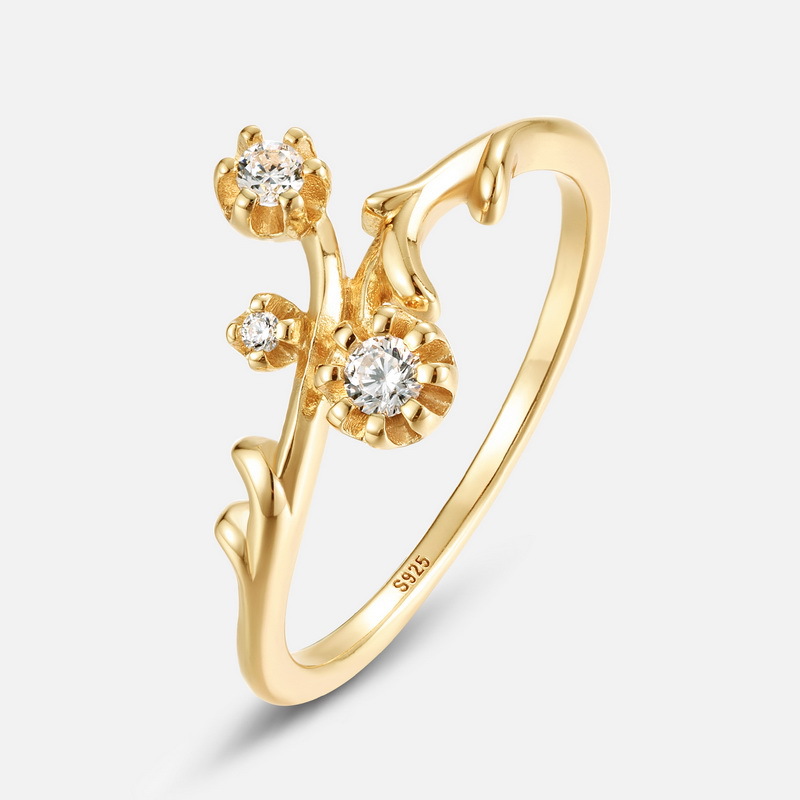
This is the internationally recognized standard for quality silver jewelry, verified by the 925 or S925 hallmark stamped on the piece.
The Key Differences: A Direct Comparison
| Factor | Silver-Plated | Solid 925 Sterling Silver |
|---|---|---|
| Silver content | Surface layer only (0.5–5 microns) | 92.5% throughout |
| Base metal | Brass, copper, zinc, or steel | None — solid silver alloy |
| Durability | Plating wears off over time | Lasts decades with care |
| Tarnish behavior | Base metal shows when plating wears | Tarnishes uniformly, can be polished |
| Skin reactions | Can cause reactions when base metal exposed | Rare reactions from solid silver |
| Repairability | Cannot be re-plated easily at home | Can be professionally polished and re-plated |
| Hallmark | May say "silver-plated" or no mark | Stamped 925, S925, or "sterling" |
| Wholesale cost | Significantly lower | Higher, reflects material value |
| Retail positioning | Fashion jewelry | Fine or demi-fine jewelry |
| Certificate eligibility | Not eligible for silver authenticity certificate | Eligible for XRF-verified certificate |
Why Silver-Plated Jewelry Fails Over Time
The core problem with silver-plated jewelry isn't that it looks bad when new — it's that the plating is temporary.
As the silver layer wears away (through friction, sweat, cleaning, and general use), the base metal beneath is exposed. What happens next depends on the base metal:
- Brass base: The piece turns yellowish-gold where worn
- Copper base: Can cause green skin discoloration (the copper reacts with skin acids and sweat)
- Zinc alloy base: Turns dark grey or black, can flake or pit
- Stainless steel base: Holds up better cosmetically, but the piece no longer looks silver
For your customers, this experience — buying what they thought was silver jewelry and watching it change color within months — destroys trust and generates returns and complaints.
The "925 Silver-Plated" Confusion
Here's where things get genuinely confusing: there is a product category called "925 silver-plated" jewelry, which means a thin layer of 925 sterling silver has been plated over a base metal.
This is not the same as solid 925 sterling silver.
The plating layer is still only a few microns thick. The base metal is still brass, copper, or zinc. The only difference is that the plating material happens to be 925 alloy rather than fine silver (999) or lower purity silver.
Some less scrupulous suppliers use this terminology to mislead buyers. If you see "925 silver plated" in a product description without a genuine S925 stamp on the piece itself, treat it with caution.
The only reliable indicator of solid 925 sterling silver:
- Physical S925 or 925 stamp on the piece
- XRF test certificate confirming 92.5% silver content throughout
- Certificate of authenticity from an accredited testing institution
When Silver-Plated Is Acceptable
Silver-plated jewelry isn't inherently bad — it's a legitimate product category when represented accurately.
It makes sense when:
- You're selling fashion or trend-driven jewelry with a short lifecycle
- Your price point and customer expectations are aligned with fashion jewelry
- You're clear in your product descriptions that pieces are silver-plated
- You're not making authenticity claims that require solid silver
It's a problem when:
- You're told you're buying 925 sterling silver and receive plated pieces
- Your customers believe they're getting solid silver
- You're selling in markets (EU, UK, US) where misrepresentation of material constitutes a consumer protection violation
How to Verify What You're Actually Buying
Method 1: Check the Hallmark
Genuine 925 sterling silver should have a physical stamp — S925, 925, or "sterling" — on the piece itself (not on the packaging or tag). For chains, this is typically on the clasp. For pendants and rings, it's usually in a discrete location on the piece.
No stamp = not verified sterling silver.
Method 2: Request an XRF Certificate
XRF (X-ray fluorescence) testing is the gold standard for verifying metal composition. A legitimate manufacturer can provide XRF test results confirming that the silver content of the piece is 925‰ throughout the metal, not just on the surface.
At Deechy Silver Jewelry, every order is backed by XRF-certified material verification from a nationally accredited testing center in China, confirming 925‰ silver purity.
Method 3: Request Samples and Test
If you're sourcing large volumes, have samples independently tested by a local jewelry testing lab or assay office before placing bulk orders. This is standard practice among professional wholesale buyers and eliminates any ambiguity about what you're receiving.
Method 4: Ask Directly and Specifically
Ask your supplier: "Is this solid 925 sterling silver throughout, or is it silver-plated over a base metal?" A legitimate manufacturer answers this clearly. Evasive or vague answers are a warning sign.
What About 925 Silver with Gold Plating?
This is one of the most popular product categories in wholesale silver jewelry — and it's perfectly legitimate when done correctly.
Gold-plated 925 sterling silver (sometimes called "gold vermeil" when the gold plating meets a minimum thickness requirement) means:
- The base piece is solid 925 sterling silver
- A layer of gold plating (typically 18K) is applied over the silver
This is different from gold-plated brass. When the gold plating eventually wears, what's exposed is silver — not base metal. The piece retains its value and integrity, and can be re-plated without issues.
At Deechy, our gold-plated and rose gold-plated pieces all use solid 925 sterling silver as the base. The plating is applied over verified sterling, not over brass or zinc.
Making the Right Sourcing Decision for Your Brand
The choice between silver-plated and solid 925 sterling silver is ultimately a brand positioning decision:
Choose solid 925 sterling silver if:
- You want to position as a quality, demi-fine, or fine jewelry brand
- Your customers value longevity and material authenticity
- You want to offer authenticity certificates
- You're selling in the $30–$150+ retail range
- You want to build repeat purchase behavior based on product quality
Silver-plated may work if:
- You're in the fast fashion jewelry space
- Your retail price point is under $20
- You're transparent with customers about material
- Longevity is not a customer expectation
For most wholesale buyers building genuine brand equity, solid 925 sterling silver is the foundation. The margin difference from higher wholesale cost is more than recovered through lower return rates and stronger customer lifetime value.
Frequently Asked Questions
How can I tell if jewelry is silver-plated or solid silver?
Look for the S925 or 925 stamp on the piece itself. Request an XRF certificate from your supplier. If in doubt, have a sample tested by an independent jewelry testing lab.
Does silver-plated jewelry turn skin green?
Not immediately, but as the plating wears through and the base metal (typically brass or copper) is exposed, contact with skin can cause green discoloration. Solid 925 sterling silver rarely causes this issue.
Is gold-plated 925 silver the same as gold-plated brass?
No. Gold-plated 925 silver has solid sterling silver underneath the gold layer. Gold-plated brass has brass underneath. When the gold wears on sterling-based pieces, silver is exposed. When it wears on brass-based pieces, brass is exposed.
Can silver-plated jewelry be re-plated?
It can be re-plated by a professional jeweler, but the process is more complex and costly than re-plating solid silver pieces. Solid 925 sterling silver is a better long-term investment for pieces intended to last.
What is gold vermeil?
Gold vermeil is gold-plated sterling silver that meets specific standards: the base must be sterling silver, and the gold plating must be at least 10K gold and at minimum 2.5 microns thick. It is a higher standard than standard gold-plated jewelry.
*Deechy Silver Jewelry manufactures solid 925 sterling silver jewelry factory-direct in Guangdong, China. All pieces are XRF-certified and carry the S925 hallmark. Visit deechysilverjewelry.com to request wholesale pricing.*
Frequently Asked Questions
How can I tell if jewelry is silver-plated or solid silver?
Look for the S925 or 925 stamp on the piece itself. Request an XRF certificate from your supplier. If in doubt, have a sample tested by an independent jewelry testing lab.
Does silver-plated jewelry turn skin green?
Not immediately, but as the plating wears through and the base metal is exposed, contact with skin can cause green discoloration. Solid 925 sterling silver rarely causes this issue.
Is gold-plated 925 silver the same as gold-plated brass?
No. Gold-plated 925 silver has solid sterling silver underneath. When the gold wears, silver is exposed — not base metal as with gold-plated brass.
Can silver-plated jewelry be re-plated?
It can be re-plated by a professional jeweler, but solid 925 sterling silver is a better long-term investment for pieces intended to last.
What is gold vermeil?
Gold vermeil is gold-plated sterling silver meeting specific standards: the base must be sterling silver, and the gold plating must be at least 10K and a minimum of 2.5 microns thick.
Comment