What Does 925 Sterling Silver Mean and Why It Matters for Your Jewelry Business
Jun 30,2026 | Deechy
If you're sourcing silver jewelry wholesale or building a jewelry brand, you'll encounter "925 sterling silver" constantly. But what does it actually mean — and why does it matter beyond being a label on a tag?
Understanding the material you're selling isn't just good practice. It directly affects your pricing power, customer trust, return rates, and long-term brand reputation. This guide breaks down everything a wholesale buyer or brand owner needs to know about 925 sterling silver.
What Is 925 Sterling Silver?
925 sterling silver is an alloy composed of 92.5% pure silver and 7.5% other metals, typically copper. The "925" refers directly to this silver content — 925 parts per thousand.
Pure silver (999 fine silver) is too soft for most jewelry applications. It bends easily, scratches quickly, and doesn't hold detailed designs well. By alloying it with copper, manufacturers achieve a metal that is:
- Durable enough for everyday wear
- Hard enough to hold prongs, settings, and engraved details
- Still visually identical to pure silver
- Affordable relative to gold or platinum
This balance of properties is why 925 sterling silver has been the global standard for quality silver jewelry for centuries.
How to Identify Genuine 925 Sterling Silver
Authentic 925 sterling silver is stamped with one of several marks:
- 925 — the most universal mark
- S925 — common on Chinese-manufactured pieces, indicating sterling silver with 925 purity
- Sterling — used frequently in the US and UK
- .925 — equivalent notation
When sourcing from a wholesale manufacturer, every piece should carry a visible stamp. At Deechy Silver Jewelry, the S925 stamp is standard on all pieces — no exceptions. We also provide English-language certificates of authenticity with every order.
Why the Stamp Matters for Your Business
If you're selling jewelry under your own brand, the S925 stamp is not optional — it's a trust signal your customers rely on.
For online sellers: Customers buying silver jewelry on Shopify, Etsy, or your own website can't physically test the metal. The stamp and a certificate are what they have to go on. Brands that provide both consistently report fewer disputes and higher repeat purchase rates.
For wholesale buyers supplying retailers: Your retail clients need to confidently represent the product to their end customers. Unstamped or uncertified silver creates liability down the chain.
For EU and UK markets: European regulations (EU Directive 2011/65/EU and UK equivalent) restrict nickel content in jewelry due to allergy concerns. Reputable manufacturers use copper as the alloying metal and can provide compliance documentation. This is essential if you're selling in these markets.
925 Sterling Silver vs. Other Silver Types
Understanding the landscape of silver products helps you make better sourcing decisions and communicate clearly with your customers.
| Type | Silver Content | Notes |
|---|---|---|
| 999 Fine Silver | 99.9% | Too soft for most jewelry; used in bullion |
| 925 Sterling Silver | 92.5% | Industry standard for quality jewelry |
| 900 Silver (Coin Silver) | 90% | Older standard, rare in modern jewelry |
| Silver-Filled | Varies | Layer of silver bonded to base metal |
| Silver-Plated | Thin coating only | Base metal underneath; not sterling |
| Tibetan / Alloy Silver | 0–30% | Marketing term; not genuine silver |
This distinction matters enormously for wholesale buyers. Silver-plated jewelry and sterling silver jewelry look identical out of the box — but they behave very differently over time. Silver plate wears off, exposing the base metal beneath. 925 sterling silver, properly cared for, lasts decades.
If a supplier is offering silver jewelry at prices that seem too good to be true, it's almost always because the product is silver-plated, not sterling.
The Role of Plating on 925 Sterling Silver
Here's where many buyers get confused: 925 sterling silver jewelry is often plated.
This is not a quality compromise — it's standard industry practice. The reasons:
- Rhodium plating gives silver a bright white finish that resists tarnish better than bare silver
- Gold plating (18K gold over 925 silver) creates a warm tone at a fraction of solid gold's cost
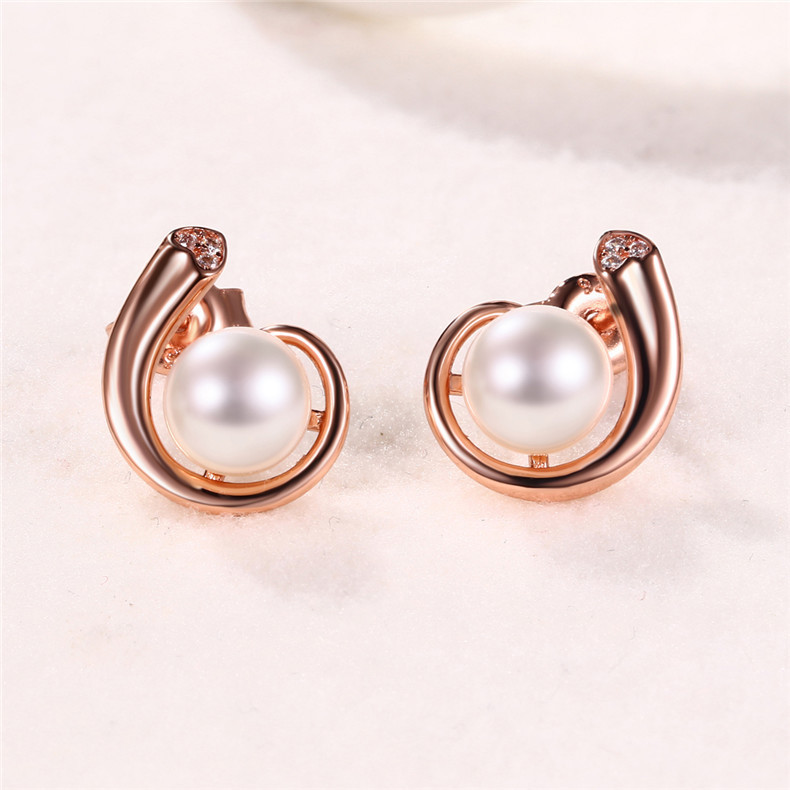
- Rose gold plating is popular for its warm, fashion-forward aesthetic
- Black rhodium creates a dramatic, oxidized look
The key difference is the base: on genuine 925 sterling silver, plating is applied over solid sterling. On silver-plated pieces, the plating is applied over brass, copper, or zinc. When the plating wears off, the outcome is completely different.
At Deechy, we offer rhodium, gold, rose gold, and black plating options over solid 925 sterling silver — and we specify plating thickness in microns on request.
Tarnishing: What It Is and How to Manage Customer Expectations
One of the most common customer complaints about silver jewelry is tarnishing — the darkening or yellowing that occurs over time as silver reacts with sulfur compounds in the air.
What causes tarnish:
- Exposure to air and humidity
- Contact with perfumes, lotions, and chemicals
- Skin chemistry (some people's sweat accelerates tarnishing)
- Storage without protection
What prevents or slows tarnish:
- Rhodium plating (most effective)
- Proper storage in anti-tarnish pouches or airtight containers
- Regular gentle cleaning with a silver cloth
- Avoiding exposure to perfume, chlorine, and saltwater
As a brand owner, setting clear care instructions and including anti-tarnish packaging reduces returns and improves customer satisfaction. Many wholesale jewelry manufacturers, including Deechy, can provide anti-tarnish pouches or packaging as part of your order.
925 Sterling Silver and Gemstone Pairings
One of the great advantages of 925 sterling silver as a base metal is how well it pairs with a wide range of gemstones, both natural and lab-created. For wholesale buyers and brand builders, understanding these pairings opens up significant product line opportunities:
Moissanite + 925 Silver
Moissanite's brilliance rivals diamond at a fraction of the cost. Set in 925 sterling silver, moissanite pieces deliver a fine jewelry aesthetic at accessible price points — an increasingly popular combination for engagement and occasion jewelry.
Freshwater Pearls + 925 Silver
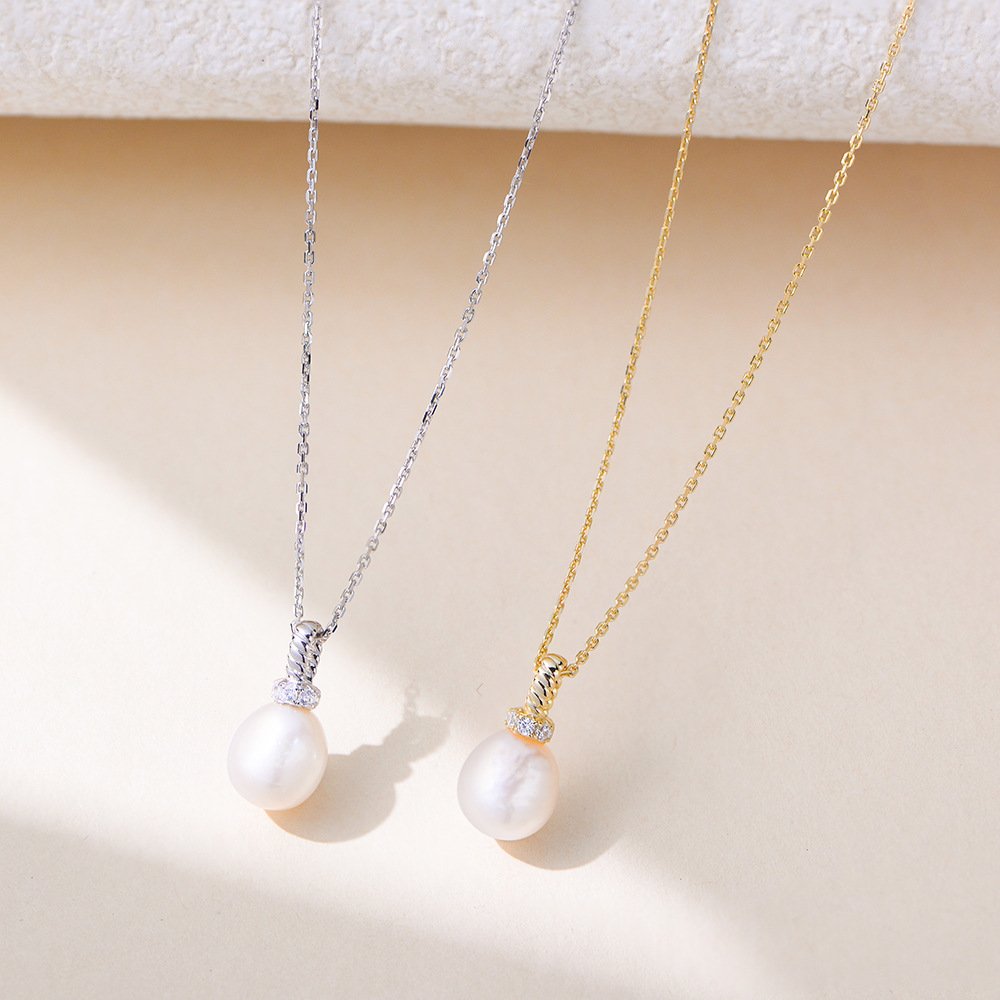
The organic softness of freshwater pearls paired with sterling silver is a perennial bestseller across age groups. Modern designs use irregular baroque pearls for a more contemporary feel.
Cubic Zirconia (CZ) + 925 Silver
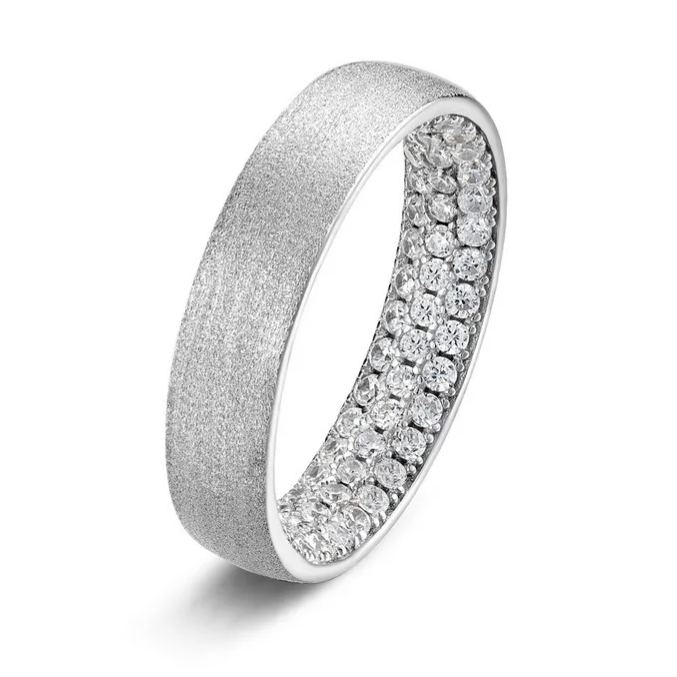
The most established pairing in the market. CZ's clarity and sparkle, combined with sterling silver's white tone, creates pieces that photograph beautifully and retail well across all channels.
Jade + 925 Silver
Particularly strong in Asian markets and among buyers seeking culturally meaningful jewelry. 925 silver settings showcase jade without overpowering it.
Agate + 925 Silver
Agate's natural color variation makes each piece unique. Silver settings complement the stone's earthy tones while adding durability to the overall piece.
Lab Opal + 925 Silver
Lab-created opal offers the iridescent play-of-color of natural opal at a consistent quality and price point. Set in 925 silver, lab opal pieces are eye-catching and photograph exceptionally well for social commerce.
At Deechy, we work with all of these stone types and can advise on which pairings are currently trending in wholesale markets.
Why 925 Sterling Silver Should Be the Foundation of Your Jewelry Brand
For brand owners and wholesale buyers, 925 sterling silver hits the optimal intersection of:
- Quality customers can verify (stamp, certificate, material feel)
- Price that allows healthy retail margins ($30–$150 retail on $4–$15 wholesale)
- Versatility across styles, occasions, and demographics
- Credibility built on a material standard recognized globally
Whether you're launching your first private label collection or expanding an existing range, 925 sterling silver from a factory-direct wholesale manufacturer gives you the foundation to build a brand customers trust — and come back to.
Frequently Asked Questions
Is 925 sterling silver real silver?
Yes. 925 sterling silver is genuine silver — 92.5% pure silver by content, which is the internationally recognized standard for sterling silver jewelry.
Will 925 sterling silver turn my skin green?
Genuine 925 sterling silver rarely causes skin discoloration. Green skin is typically caused by copper in lower-quality alloys or silver-plated pieces where the plating has worn through. High-quality 925 silver with rhodium plating is the safest option for sensitive skin.
How do I know if silver jewelry is really 925?
Look for the 925, S925, or "sterling" stamp on the piece. Request a certificate of authenticity from your supplier. For bulk sourcing, ask for XRF (X-ray fluorescence) testing documentation.
What's the difference between 925 silver and silver-plated?
925 sterling silver is solid sterling throughout. Silver-plated jewelry has a thin silver coating over a base metal (usually brass or copper). The plating eventually wears off; solid sterling does not.
Can 925 sterling silver be worn every day?
Yes — with reasonable care. Avoid prolonged exposure to chemicals, perfumes, and saltwater. Store properly when not wearing. Clean regularly with a silver cloth.
*Deechy Silver Jewelry is a factory-direct 925 sterling silver wholesale manufacturer based in Guangdong, China. We supply jewelry brands and wholesale buyers globally with certified sterling silver pieces, no MOQ on standard styles, and full OEM/ODM capabilities. Visit deechysilverjewelry.com.*
Frequently Asked Questions
Is 925 sterling silver real silver?
Yes. 925 sterling silver is genuine silver — 92.5% pure silver by content, which is the internationally recognized standard for sterling silver jewelry.
Will 925 sterling silver turn my skin green?
Genuine 925 sterling silver rarely causes skin discoloration. Green skin is typically caused by copper in lower-quality alloys or silver-plated pieces where the plating has worn through.
How do I know if silver jewelry is really 925?
Look for the 925, S925, or sterling stamp on the piece. Request a certificate of authenticity from your supplier. For bulk sourcing, ask for XRF testing documentation.
What is the difference between 925 silver and silver-plated?
925 sterling silver is solid sterling throughout. Silver-plated jewelry has a thin silver coating over a base metal. The plating eventually wears off; solid sterling does not.
Can 925 sterling silver be worn every day?
Yes with reasonable care. Avoid prolonged exposure to chemicals, perfumes, and saltwater. Store properly when not wearing. Clean regularly with a silver cloth.
논평